Lentic and Lotic Systems
Learn about the differences between 2 types of inland freshwater ecosystems: Lentic and Lotic!
Learn about the differences between 2 types of inland freshwater ecosystems: Lentic and Lotic!
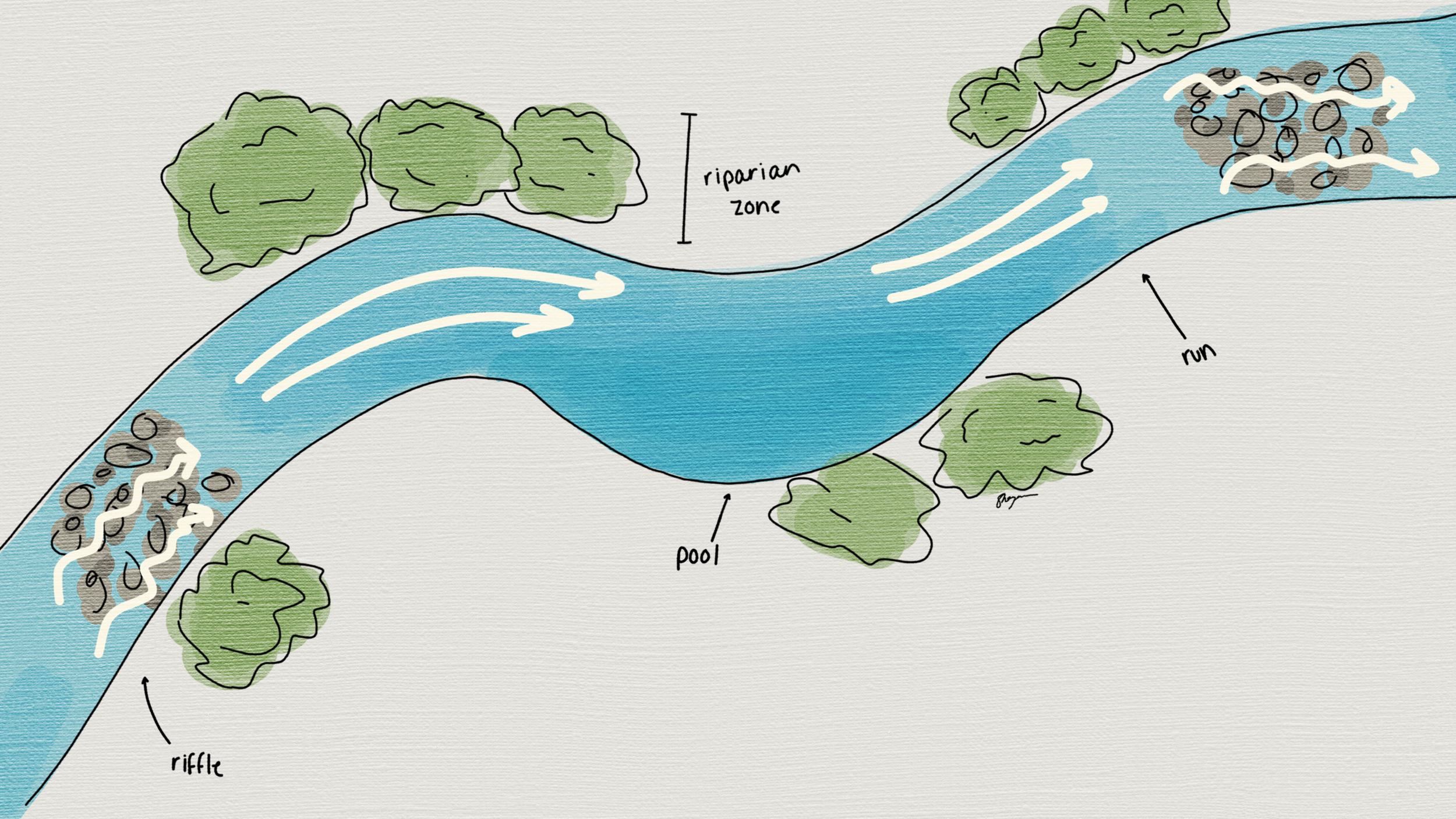
Let’s break down the sections of a stream. In the Riffle-Pool-Run sequence, each habitat has unique properties that allow for a diversity of organisms to exist and thrive.
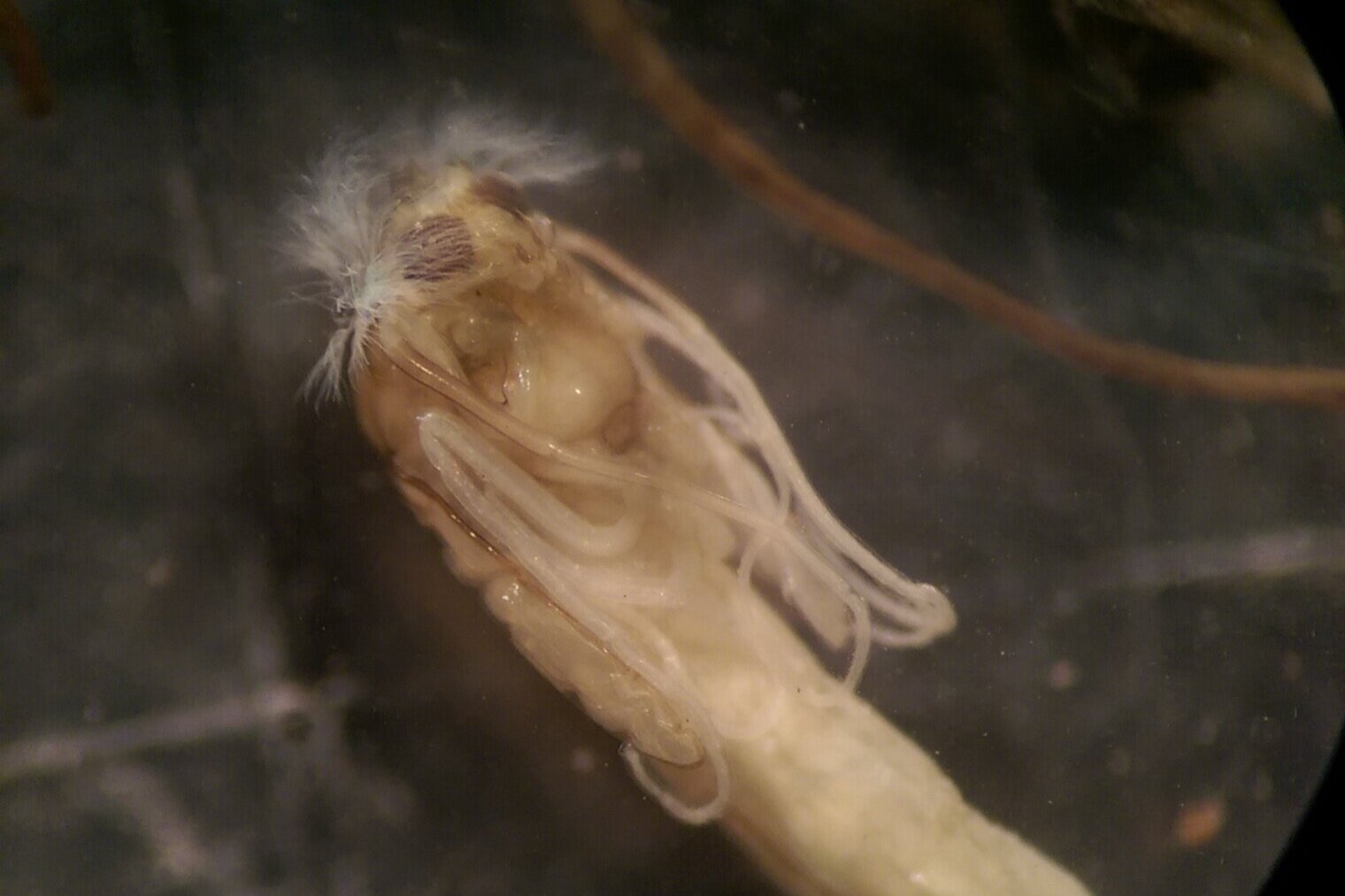
These non-biting midges, sometimes called bloodworms, can be an eye-catching red or even pink colour. They have a high hemoglobin-like substance that allows them to survive in low oxygen environments.
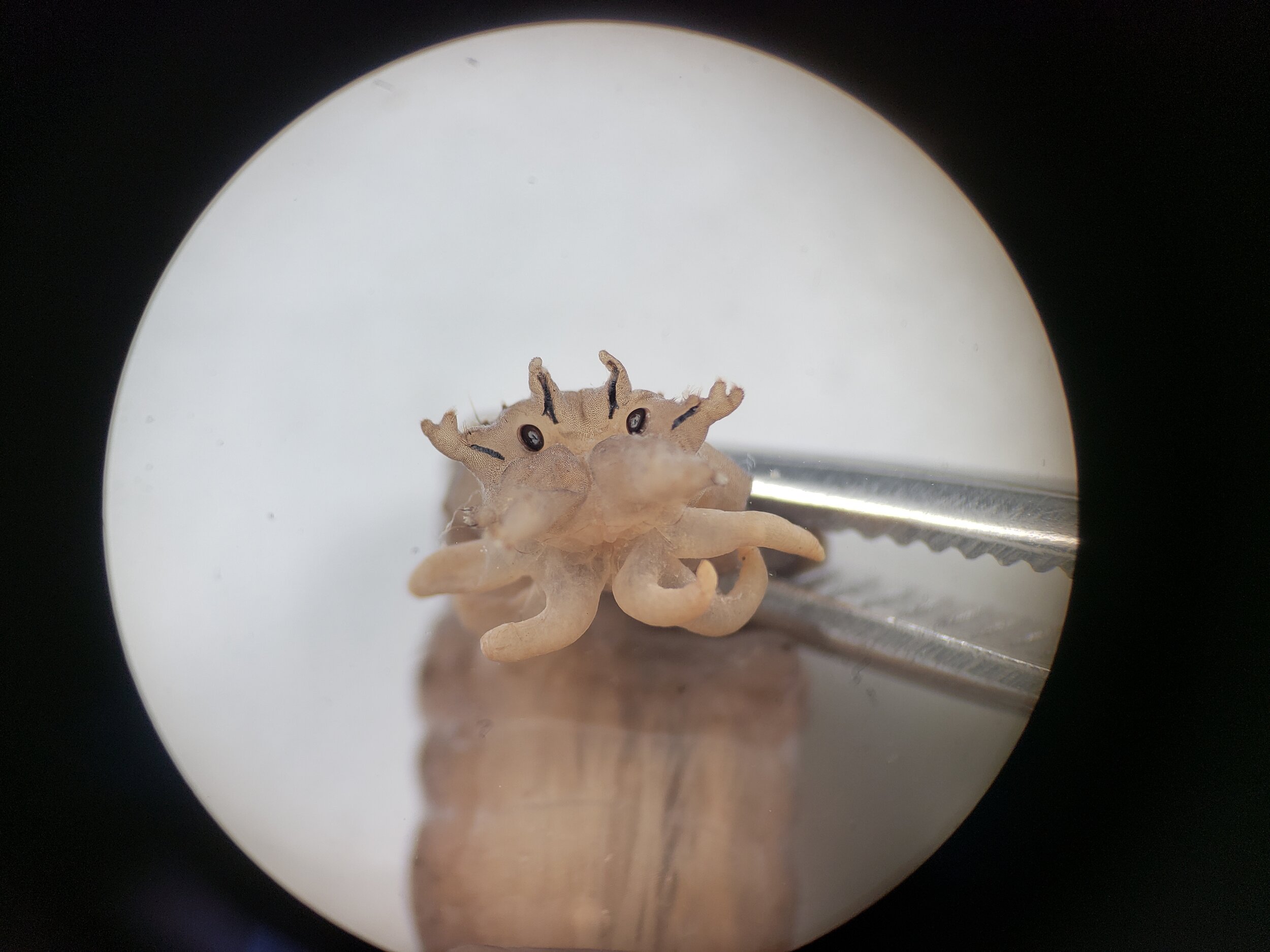
This leathery skinned animal may look like it’s staring at you, but the head is actually on the other end!
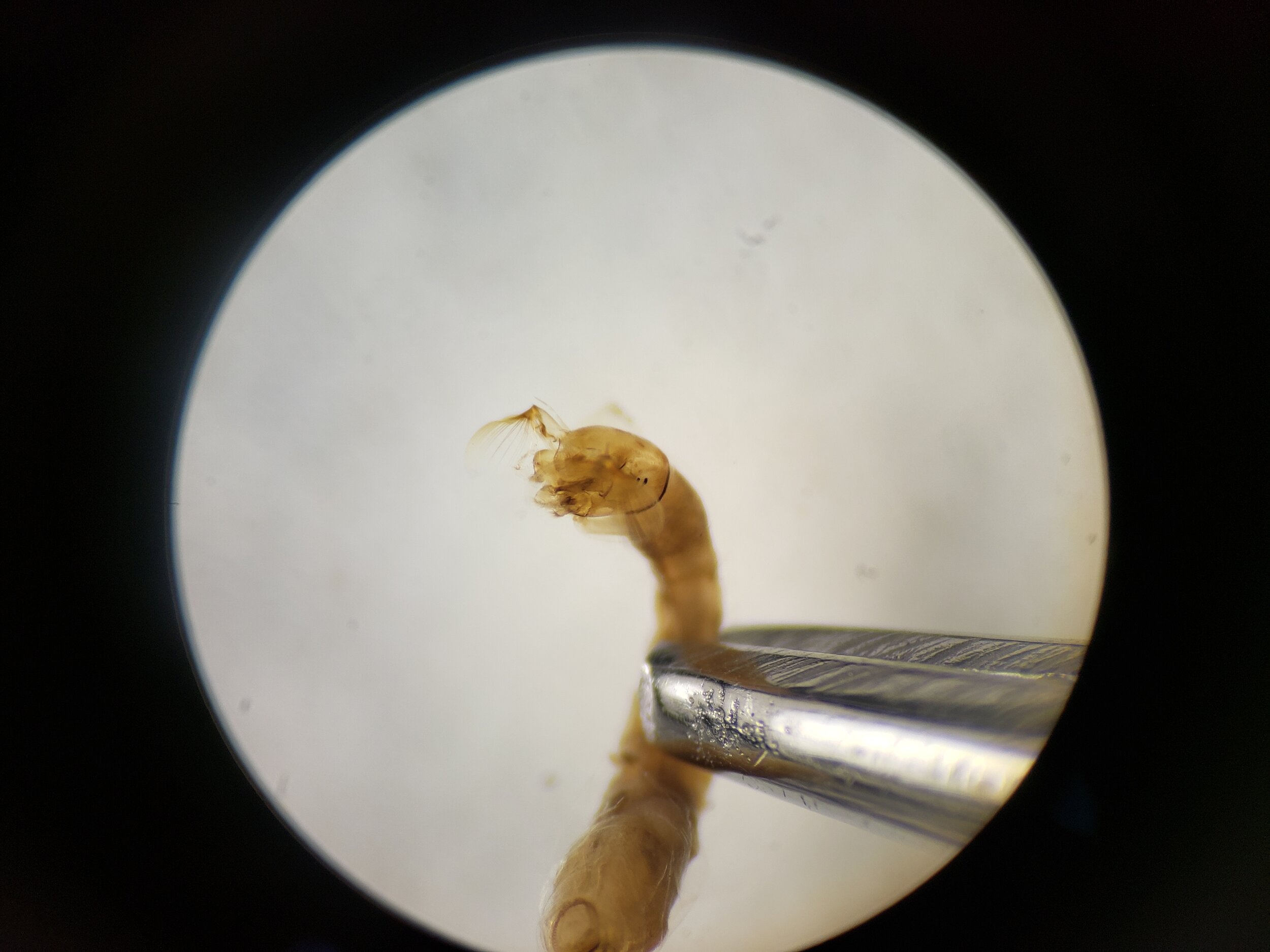
Today we will take a look at a type of Dipteran (the True Flies) that some of us may know quite well. You are probably more familiar with their adult life stage, but in their larvae stage they have a bizarre moustache-like structure!
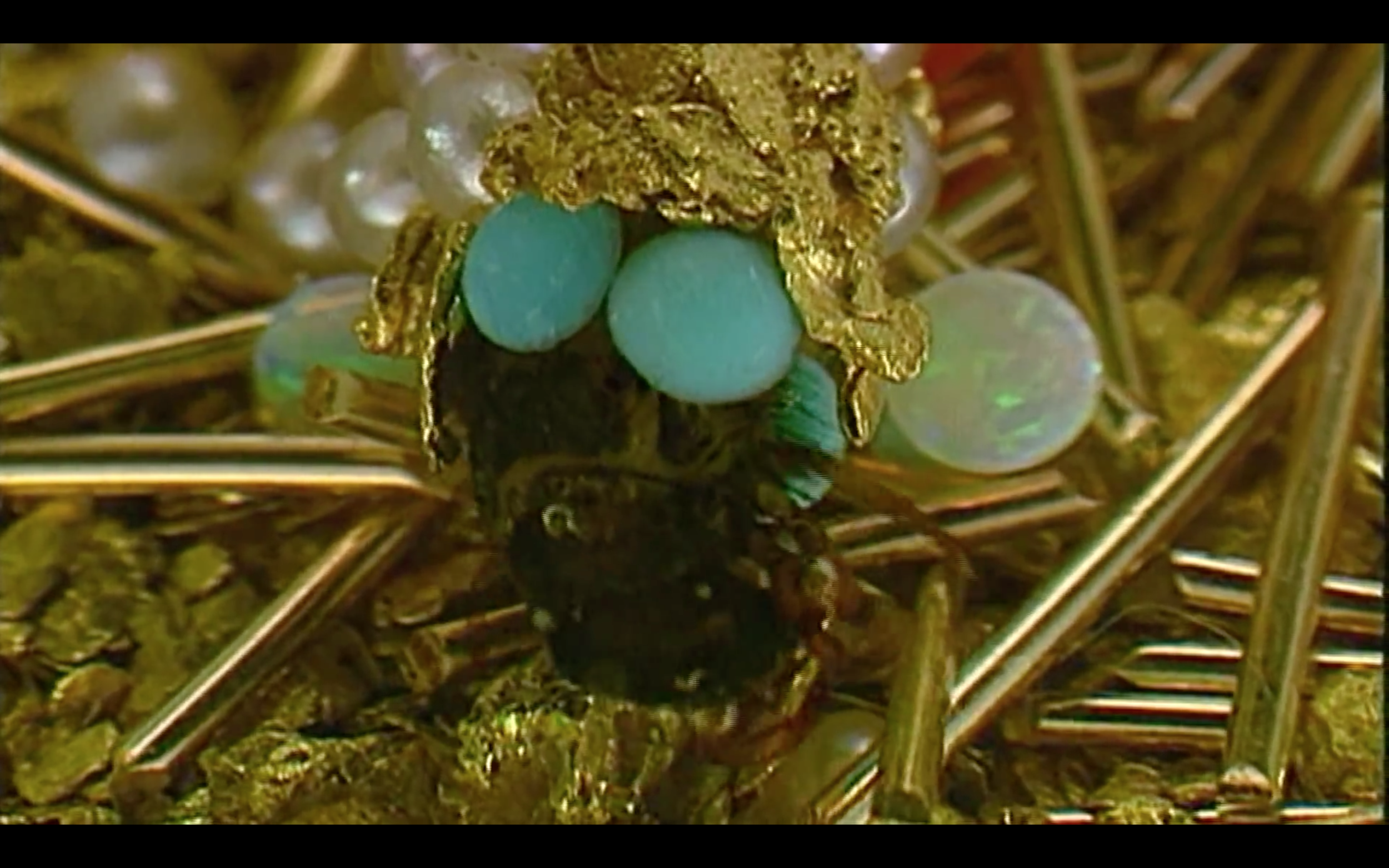
Members of the order Trichoptera, the caddisflies, recently collaborated with French artist Hubert Duprat and created beautiful cases made from gold and opalescent gems that will be displayed in the Paris Museum of Modern Art in an exhibition this September.
In the Healthy Headwaters Lab, we study freshwater ecosystems with the goals of restoration and rehabilitation in mind. One of the most valuable and widely used methods to study streams is biomonitoring using benthic invertebrates.